
Easter Island, known locally as Rapa Nui, sits isolated in the vast Pacific Ocean, nearly 3,700 kilometers off the Chilean coast. It's famous worldwide for its enigmatic moai statues—massive stone figures carved centuries ago by the Rapa Nui people. The island's aura of mystery, stunning volcanic landscapes, and windswept beaches make it feel like nowhere else on earth, attracting adventurers and history buffs alike.
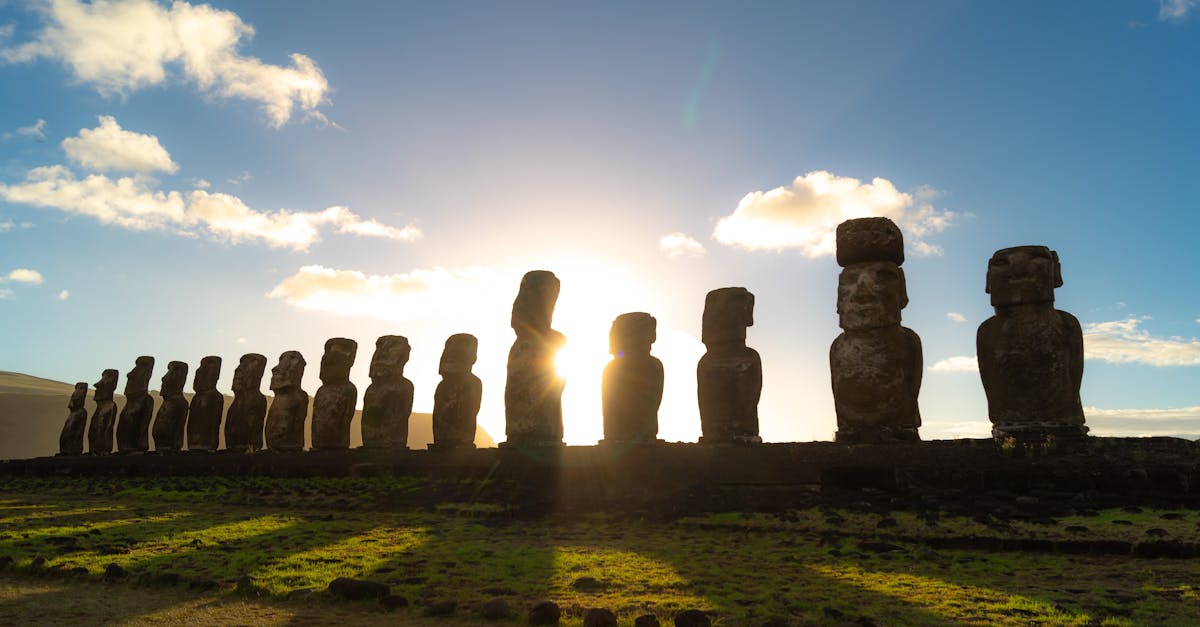
Exploring Easter Island means stepping back in time. The top attractions are the hundreds of moai statues, found at places like Ahu Tongariki and Ahu Akivi, as well as the crater of Rano Raraku, the ancient quarry where these giants were carved. Visitors often hike or bike from site to site, pausing at the stone platforms (ahu), petroglyphs, and the lush, rolling hills dotted with wild horses. Anakena Beach features white sand and palm trees—rare for the island—and is perfect for relaxing after a day of exploring.
Daily life on Easter Island feels laid-back and authentic, with the main village of Hanga Roa offering a small selection of restaurants, shops, and guesthouses. You’ll get a chance to mingle with local Rapa Nui people and learn about their vibrant traditions, music, and dance. Fresh seafood and unique island cuisine await, and the atmosphere is peaceful and welcoming, though amenities are simple compared to mainland cities.
Getting around is straightforward—renting a bike, car, or joining guided tours are common choices, but distances are manageable for those who enjoy a bit of adventure on foot. Accommodations range from basic hostels to boutique hotels, almost all centered around Hanga Roa. Visitors should plan for limited Wi-Fi and be ready to explore at a slower, island pace.
The best time to visit Easter Island is during the southern hemisphere's spring (October–December) or autumn (March–May), when the weather is pleasant and crowds thinner. If you’re curious about Rapa Nui culture, try to coordinate your trip with the Tapati Festival in early February, a colorful celebration of music, dance, and traditional competitions.
Exploring Easter Island means stepping back in time. The top attractions are the hundreds of moai statues, found at places like Ahu Tongariki and Ahu Akivi, as well as the crater of Rano Raraku, the ancient quarry where these giants were carved. Visitors often hike or bike from site to site, pausing at the stone platforms (ahu), petroglyphs, and the lush, rolling hills dotted with wild horses. Anakena Beach features white sand and palm trees—rare for the island—and is perfect for relaxing after a day of exploring.
Daily life on Easter Island feels laid-back and authentic, with the main village of Hanga Roa offering a small selection of restaurants, shops, and guesthouses. You’ll get a chance to mingle with local Rapa Nui people and learn about their vibrant traditions, music, and dance. Fresh seafood and unique island cuisine await, and the atmosphere is peaceful and welcoming, though amenities are simple compared to mainland cities.
Getting around is straightforward—renting a bike, car, or joining guided tours are common choices, but distances are manageable for those who enjoy a bit of adventure on foot. Accommodations range from basic hostels to boutique hotels, almost all centered around Hanga Roa. Visitors should plan for limited Wi-Fi and be ready to explore at a slower, island pace.
The best time to visit Easter Island is during the southern hemisphere's spring (October–December) or autumn (March–May), when the weather is pleasant and crowds thinner. If you’re curious about Rapa Nui culture, try to coordinate your trip with the Tapati Festival in early February, a colorful celebration of music, dance, and traditional competitions.
Expected Weekly Budget
$1200–$1700 USD (per person, excluding flights)
Known For
Things to Do
- Tour the moai statues at Ahu Tongariki and Ahu Akivi
- Explore the volcanic crater of Rano Raraku
- Swim and relax at Anakena Beach
- Hike or bike to Orongo and the Rano Kau volcano
- Visit the Rapa Nui Museum
- Attend a traditional Rapa Nui dance performance
- Dive or snorkel in the clear Pacific waters
- Try local seafood dishes in Hanga Roa
Notable Sites
- Ahu Tongariki
- Rano Raraku
- Anakena Beach
- Orongo Ceremonial Village
- Rano Kau Volcano
- Ahu Akivi
- Hanga Roa Village
- Rapa Nui Museum
General Advice
Easter Island rewards curious and patient travelers with breathtaking views and immersive cultural encounters. Pack sturdy shoes for walking uneven terrain, plenty of sunscreen, and be prepared for rapidly changing weather. While some English is spoken, especially in hotels and tour companies, learning a few Spanish phrases helps with daily life. Plan ahead for accommodation and tours, as space is limited; booking well in advance during Tapati Festival or peak months is a must.
Security & Safety
Easter Island is generally very safe with low crime rates, but exercise basic precautions like locking your valuables in your accommodation and not leaving belongings unattended at archaeological sites or beaches. Road conditions can be rough and poorly lit at night, so it’s best to avoid driving after dark and always use a helmet if renting a scooter or bike. Respect local customs, particularly around sacred sites, and never climb or touch the moai statues.
Travel Tips
- Book flights and accommodation several months in advance, especially for festival periods.
- Bring cash, as only a few places accept credit cards and there are limited ATMs.
- The island’s weather can change quickly, so pack layers and rain gear.
- Internet and mobile reception are limited and often slow—enjoy the digital detox.
- Tap water isn’t always potable; buy bottled water for drinking.
- Plan rest days into your trip, as exploring archaeological sites can be physically demanding.
- Bring snorkeling gear if you plan to swim, as rentals are basic and limited.
- Respect the environment—stick to paths and don’t disturb ancient ruins.
Similar Destinations
Photo Gallery
Loading photos...
Traveler Comments
Visited in February 2024
I came for the Tapati Festival and it was incredible seeing traditional Rapa Nui dance and games! Ahu Tongariki at sunrise was magical. The food options were a bit limited but the fresh fish was delicious. Bring bug spray—my legs got eaten alive some evenings.
Traveled here in October 2023
Exploring the moai sites was everything I hoped it would be. I rented a bike to get around and loved the combination of history and rugged landscapes. Orongo was a highlight—so much atmosphere overlooking the ocean. Definitely an adventure, not a resort.
Stayed in May 2024
Super remote and peaceful, if a bit expensive. Our tour guide shared some fascinating legends about the statues. Hanga Roa is small but had everything we needed. Wish we’d brought more snacks from the mainland—selection here is really limited.
Visited in December 2023
Cycling to Rano Raraku was a workout, but seeing the 'moai graveyard' up close was unforgettable. The island feels untouched and authentic. Met friendly locals at a dance show in town. It gets windy—bring a jacket even in summer.
Traveled here in September 2023
We traveled as a family and our kids loved the wild horses and swimming at Anakena Beach. History everywhere you look! The pace is slow, but that’s part of the charm. Make sure to try the empanadas at one of the roadside stands.
Visited in April 2024
Rapa Nui was a dream from a photographer’s perspective. The light at dawn and sunset made the moai come alive. Limited cafe hours caught us by surprise, but people were happy to offer recommendations. Bring cash, not everywhere takes cards!
Traveled here in November 2023
Definitely a once-in-a-lifetime trip. The remoteness made it feel so special. Heads-up: groceries and basics are pricey, so come prepared. Sunsets from Tahai were gorgeous—I went every night.
Visited in January 2024
Snorkeling was much better than I expected, crystal clear and lots of fish! Really cool mix of Polynesian and South American influences. The moai are even more impressive up close. Would’ve liked more nightlife, but early nights worked with the sunrise hikes.
Traveled here in June 2023
The island was beautiful and steeped in history, but prices for tours and meals surprised me. Rano Kau and Orongo were fascinating. I’d recommend bringing snacks from Santiago. Still, the uniqueness made it worthwhile.
Stayed in March 2024
Absolutely loved this tiny slice of the Pacific! The guides were so passionate about their history. My favorite moment was sitting on the grass at Ahu Akivi, just soaking in the silence. Bring a windbreaker, it gets chilly after sunset.
Visited in July 2023
Remote and rustic—if you want luxury, this isn’t it. But the sense of mystery and wide, empty landscapes were perfect for us. The museum was small but interesting. Take your time at each site, there’s always something you missed at first glance.
Traveled here in August 2023
Hiking trails were surprisingly good! Anakena Beach was chilly but worth it for the views. Met some great people at my guesthouse—very social atmosphere for solo travelers. The moai are every bit as striking as you hope.
Visited in February 2024
The Tapati Festival brought the whole island alive—dancers, parades, food. We even got to try some of the traditional activities. Days without Wi-Fi were refreshing, honestly. Early booking is a must if you want the best places to stay.
Stayed in October 2023
I wish I’d planned more days here—felt rushed trying to see all the major moai sites. The crater at Rano Kau was otherworldly. Restaurants close early and can be pricey. Still, the quiet makes for really peaceful evenings.
Visited in September 2023
Took a guided tour that covered all the big spots and learned so much about the island’s past. Loved the combination of hiking and cultural experiences. There’s not much nightlife, but the stargazing was out of this world.
Traveled here in January 2024
Our group enjoyed both biking the coastal roads and chilling on the beach. The moai are just mind-blowing in person. Locals were super helpful and proud of their culture. Take it slow—there’s no rush here.
Visited in March 2024
We snorkeled, ate at small family restaurants, and wandered into a local market. Every day brought something new. I recommend Orongo for the history buffs! Just remember, this place is all about unplugging and going with the flow.
Traveled here in June 2024
Lots of rain when I was there, so check the season! Still, the island’s wild feel and ancient sites made it memorable. Limited options for vegetarians, but I managed with a few good meals in town.
Visited in May 2024
The archaeology and legends were fascinating. Anakena was a great beach spot—really unique with the moai nearby. Definitely bring a flashlight for walking at night, the streets aren’t well lit. Try the tuna ceviche—it’s fantastic!
Share Your Experience
Sign in to leave a review and share your travel photos.