
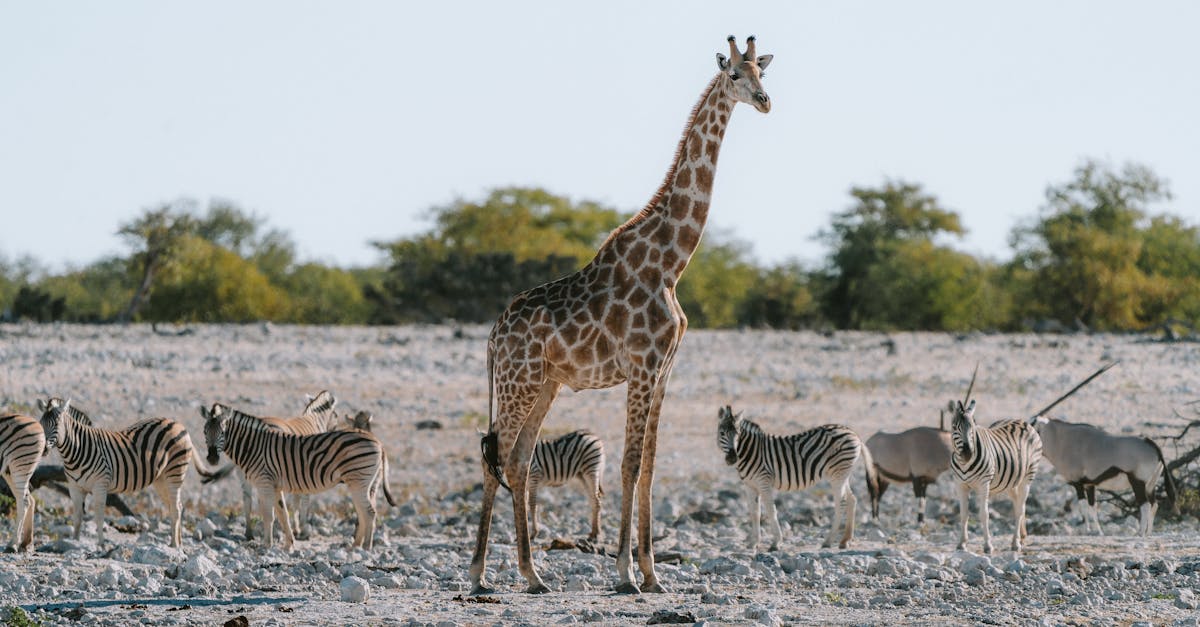
Etosha National Park is one of Africa’s iconic safari destinations, known for its breathtaking landscapes and dramatic wildlife scenes. Stretching over 22,000 square kilometers, the park is dominated by the vast Etosha Pan, a shimmering, salt-encrusted expanse visible from space. This unique ecosystem attracts abundant animal life, drawing visitors who dream of close encounters with elephants, lions, rhinos, and giraffes in their natural environment. Sunrises and sunsets bring stunning colors, while the silence and openness of the pan promise a sense of adventure and awe.
Game viewing here feels effortless, especially at the waterholes peppered across the park. These natural oases become theaters of survival, where herds of antelope and zebra gather alongside their predators. The Okaukuejo, Halali, and Namutoni rest camps are not just places to sleep—they’re also famous for their floodlit waterholes, allowing visitors to observe nocturnal wildlife activity. Birdwatchers will find Etosha rewarding, with over 340 recorded species including flamingos that briefly turn the pan pink after heavy rains.
The atmosphere in Etosha is distinct: it’s quieter and less commercialized than many other African reserves, fostering a sense of tranquility and connection with the wild. Visitors often exchange stories while watching the sunset from their lodge veranda or while waiting in quiet anticipation at a waterhole. Though animals are the stars, many travelers are enchanted by the solitude and sweeping vistas of the park itself.
When planning your stay, it’s helpful to know that most visitors self-drive along well-kept gravel roads, and all major rest camps offer a range of accommodations—from basic campsites to comfortable chalets. There are also a handful of luxury lodges on the park’s edges, known for superb service and game drives. Food options are limited within the park itself, so stocking up at nearby towns before arrival is wise.
The best time to visit Etosha is during the dry season from June to October, when wildlife gathers at waterholes and game viewing is at its peak. Rainy season (January to March) can bring lush scenery and migratory birds, but some roads may flood. Arriving early in the morning or late in the afternoon increases your chances of seeing predators on the move.
Game viewing here feels effortless, especially at the waterholes peppered across the park. These natural oases become theaters of survival, where herds of antelope and zebra gather alongside their predators. The Okaukuejo, Halali, and Namutoni rest camps are not just places to sleep—they’re also famous for their floodlit waterholes, allowing visitors to observe nocturnal wildlife activity. Birdwatchers will find Etosha rewarding, with over 340 recorded species including flamingos that briefly turn the pan pink after heavy rains.
The atmosphere in Etosha is distinct: it’s quieter and less commercialized than many other African reserves, fostering a sense of tranquility and connection with the wild. Visitors often exchange stories while watching the sunset from their lodge veranda or while waiting in quiet anticipation at a waterhole. Though animals are the stars, many travelers are enchanted by the solitude and sweeping vistas of the park itself.
When planning your stay, it’s helpful to know that most visitors self-drive along well-kept gravel roads, and all major rest camps offer a range of accommodations—from basic campsites to comfortable chalets. There are also a handful of luxury lodges on the park’s edges, known for superb service and game drives. Food options are limited within the park itself, so stocking up at nearby towns before arrival is wise.
The best time to visit Etosha is during the dry season from June to October, when wildlife gathers at waterholes and game viewing is at its peak. Rainy season (January to March) can bring lush scenery and migratory birds, but some roads may flood. Arriving early in the morning or late in the afternoon increases your chances of seeing predators on the move.
Expected Weekly Budget
$900–$1500 USD (per person, excluding flights)
Known For
Things to Do
- Self-drive safari along park roads
- Visit the Okaukuejo floodlit waterhole
- Join a guided game drive at dawn or dusk
- Relax at Halali Camp and spot leopards
- Watch elephants and lions at the Nebrownii waterhole
- Birdwatch for flamingos at Etosha Pan after rains
- Photograph giraffes by the salt pan horizon
- Enjoy sundowners at a camp lodge terrace
Notable Sites
- Etosha Pan
- Okaukuejo Waterhole
- Namutoni Fort
- Halali Camp Waterhole
- Olifantsrus Camp
- Nebrownii Waterhole
- Goas Waterhole
General Advice
Etosha National Park is best experienced with patience and flexibility—wildlife sightings come to those willing to wait at waterholes or take early and late drives. Bring good binoculars and a camera with a zoom lens for the best photographic memories. Booking accommodation in advance, especially during the dry season, is crucial as park camps fill up quickly. Be prepared for long distances between rest stops and always have extra water and snacks. Fuel stations are available at the main camps, but it’s wise to top up when you can.
Security & Safety
Etosha is generally very safe for travelers, but you should always adhere to park regulations for your own safety, especially regarding wildlife. Never leave your vehicle except in designated areas, as lions and other dangerous animals roam freely. Lock your vehicle doors and windows at night, particularly when camping, to keep curious animals out. Beware of snakes and scorpions, especially when walking after dark. Finally, store valuables out of sight to deter opportunistic theft at busy camps.
Travel Tips
- Book accommodation inside the park several months in advance during peak dry season.
- Carry plenty of drinking water, sunscreen, and a sun hat to handle the intense midday sun.
- Download park maps and offline navigation or buy a physical map at the entrance gate.
- Start your game drives early in the morning or late in the afternoon for better wildlife sightings.
- Most roads are gravel—drive slowly and be prepared for dust.
- Don't rely solely on park shop groceries—bring extra snacks and essentials.
- ATMs and card payments are limited—carry enough Namibian dollars for park fees and fuel.
- Binoculars and a good camera will make your trip much more rewarding.
Similar Destinations
Photo Gallery
Loading photos...
Traveler Comments
Visited in September 2023
The wildlife at Etosha was incredible—every waterhole was like watching a nature documentary live! We saw elephants, black rhinos, and even a pride of lions with cubs. The evenings around the Okaukuejo waterhole were magical. Wish we’d brought more snacks—park shops are a bit sparse.
Stayed in July 2024
Our family loved the self-drive aspect—it felt adventurous and independent. The floodlit waterholes let us see animals at night, which was a real highlight for our kids. It gets chilly after sunset, so pack warm layers. Meals at the camps were ok but nothing special.
Traveled here in May 2024
Etosha blew my mind! I saw more animals in three days than I’ve ever seen before. Bird lovers—don’t forget your binoculars; the flamingos and raptors around the pan were unforgettable. Roads can be a little dusty, but everything is very well marked.
Visited in November 2023
It was the end of the dry season, so the animals congregated at waterholes—perfect for photography. The heat was a challenge, especially mid-day, but we planned our drives early and late. Some facilities felt a bit basic, but honestly, you’re there for the animals, not luxury.
Visited in August 2023
Such a great spot for a self-drive with friends. The landscape feels almost lunar at times! We saw so many giraffes and a huge herd of zebra. Next time, I’d try a guided safari to learn more from the experts.
Traveled here in March 2024
I spent hours at the Goas waterhole watching elephants splash and wildebeest come and go. Saw a cheetah from a distance, which was a personal highlight. Park infrastructure is surprisingly good, though expect slow driving. Bring extra batteries for cameras!
Visited in January 2024
Rainy season changed everything—so much greenery and hundreds of birds. Not as many big cats as in the dry months, but the scenery was beautiful. Some roads got muddy, so be cautious with a regular sedan.
Stayed in June 2024
Traveling solo, I felt pretty safe and found the other travelers friendly and helpful. The Okaukuejo waterhole turned out to be my favorite spot—I saw rhinos almost every night. I’d recommend booking accommodation as soon as possible, as I struggled to find a last-minute bed.
Visited in July 2023
Etosha was the best stop on our Namibia road trip. The game concentration is unlike anywhere else I’ve been. We rented a small 4x4 and enjoyed being able to explore at our own pace. The evenings around the camps were so peaceful.
Traveled here in April 2024
The variety of animals at Nebrownii and Halali waterholes was incredible. Park shops had only basic supplies, so stock up in advance. The night game drive with the guides was a thrill—their spotting skills are amazing.
Visited in October 2023
A photographer’s paradise, especially in the golden light. Some rest camps were a bit busy, but the wildlife encounters made up for it. Prepare for very dusty roads—my gear needed cleaning every night.
Traveled here in August 2023
We brought the grandparents along and everyone enjoyed it, thanks to easy drives and excellent animal sightings from the comfort of the car. At night, lions serenaded us while we sat by the waterhole. The atmosphere feels raw and authentic.
Stayed in December 2023
I enjoyed the scenery and elephants, but I expected more from the camp restaurants. Also, we had to book our lodge months ahead—spots sell out quickly. Overall, amazing wildlife and landscapes.
Visited in February 2024
Lots of variety—zebra, rhinos, even a honey badger! It rained a bit during our stay, which brought out so many birds. Wish we had more time, as the park is huge and there’s lots to explore.
Stayed in May 2024
The size of Etosha is impressive, and each area feels different. Olifantsrus camp was a bit quieter and great for watching elephants. We tried a night safari, and seeing animals by spotlight was super exciting.
Visited in March 2024
Traveling with young kids can be tough in the heat, but Etosha made it worthwhile—the animal sightings kept everyone entertained. The salt pan stretched forever, and the sunsets were beautiful. More shade at rest stops would help.
Traveled here in September 2023
Easy to get lost just watching the horizon. Saw my first wild rhino and so many springbok. Park staff were welcoming and helpful, and we felt safe throughout our stay.
Visited in October 2023
Floodlit waterholes at Namutoni were an unexpected highlight—you don’t need to leave camp for great animal views. Bring a flashlight for moving around after dark. Strongly recommend booking a guided drive at least once.
Stayed in August 2023
For photographers, Etosha is a dream. Had a close (but safe) lion encounter along the main road. The rest camps are comfortable, though sometimes busy with tour groups.
Visited in June 2024
Loved the panoramic views of the pan and seeing oryx and giraffe up close. Early mornings were chilly but worth it for spotting big cats on the move. The park feels wild and untamed—definitely a bucket list tick for wildlife fans.
Share Your Experience
Sign in to leave a review and share your travel photos.