
Timbuktu is a city steeped in history, once known as the fabled center of gold, scholarship, and trade that captivated explorers for centuries. Located on the southern edge of the Sahara in Mali, Timbuktu is best known for its illustrious past as a hub for scholars and traders during the height of the Mali and Songhai empires. The city’s legacy endures through its historic mud-brick mosques and ancient manuscript collections, drawing travelers eager to walk in the footsteps of traders and adventurers.
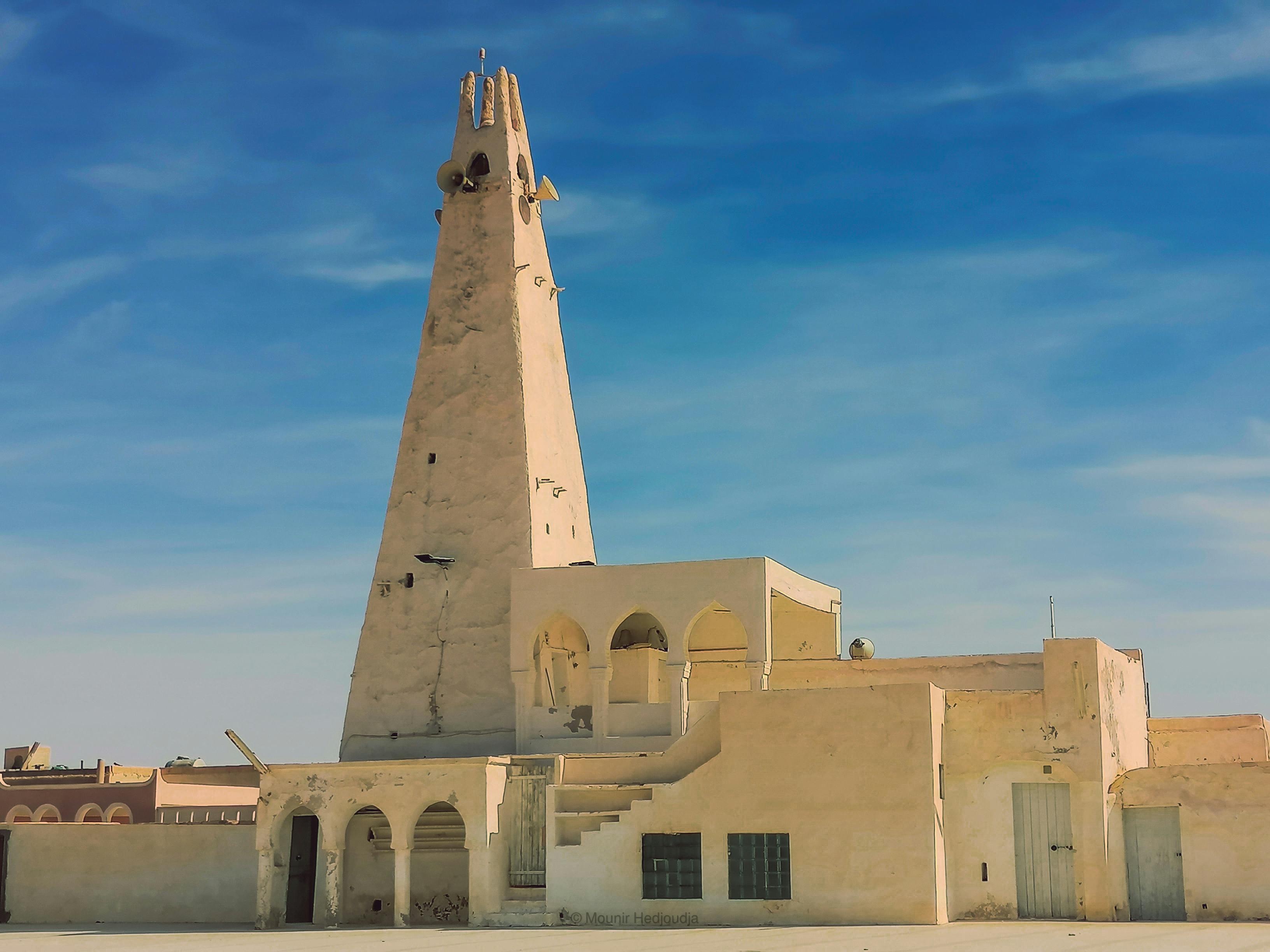
Among the main attractions are three iconic mosques: Djinguereber, Sankoré, and Sidi Yahya, each constructed in a distinct style using traditional adobe architecture. These places of worship are not only spiritual centers but also symbols of the city's golden age of learning. Visitors can also explore the manuscript libraries, which hold priceless texts on science, religion, and law, some dating back to the 13th century. Wandering through the city’s narrow, sandy streets, you’ll stumble upon bustling local markets where Tuareg, Songhai, and Fulani communities converge to sell crafts, spices, and textiles.
Timbuktu’s atmosphere is decidedly unique—there’s a sense of quiet grandeur, shaped by centuries of resilience in the face of desert winds and colonial intrigue. Life moves at a gentle pace, with people gathering in shaded courtyards or beneath the towering minarets of their mosques. Visitors will find genuine hospitality among the locals, many of whom are proud to share stories of their heritage. The city’s blend of African, Arab, and Berber influences is visible in food, dress, and daily rituals.
Traveling to Timbuktu requires planning, as transport options are often limited and the region’s infrastructure basic. Most visitors arrive by plane from Bamako or by 4x4 convoy, especially during the dry season. Accommodations range from basic guesthouses to modest hotels, with a handful of local restaurants serving staples such as rice, millet, and goat stews. It’s recommended to arrange guided tours for deeper insight and safety.
The best time to visit is from November to February, when temperatures are milder and the risk of sandstorms is lower. Bring sun protection, keep hydrated, and be prepared for simple amenities. Despite its remoteness, Timbuktu leaves a lasting impression for those seeking adventure and a genuine connection to Africa’s storied past.
Among the main attractions are three iconic mosques: Djinguereber, Sankoré, and Sidi Yahya, each constructed in a distinct style using traditional adobe architecture. These places of worship are not only spiritual centers but also symbols of the city's golden age of learning. Visitors can also explore the manuscript libraries, which hold priceless texts on science, religion, and law, some dating back to the 13th century. Wandering through the city’s narrow, sandy streets, you’ll stumble upon bustling local markets where Tuareg, Songhai, and Fulani communities converge to sell crafts, spices, and textiles.
Timbuktu’s atmosphere is decidedly unique—there’s a sense of quiet grandeur, shaped by centuries of resilience in the face of desert winds and colonial intrigue. Life moves at a gentle pace, with people gathering in shaded courtyards or beneath the towering minarets of their mosques. Visitors will find genuine hospitality among the locals, many of whom are proud to share stories of their heritage. The city’s blend of African, Arab, and Berber influences is visible in food, dress, and daily rituals.
Traveling to Timbuktu requires planning, as transport options are often limited and the region’s infrastructure basic. Most visitors arrive by plane from Bamako or by 4x4 convoy, especially during the dry season. Accommodations range from basic guesthouses to modest hotels, with a handful of local restaurants serving staples such as rice, millet, and goat stews. It’s recommended to arrange guided tours for deeper insight and safety.
The best time to visit is from November to February, when temperatures are milder and the risk of sandstorms is lower. Bring sun protection, keep hydrated, and be prepared for simple amenities. Despite its remoteness, Timbuktu leaves a lasting impression for those seeking adventure and a genuine connection to Africa’s storied past.
Expected Weekly Budget
$800–$1200 USD (per person, excluding flights)
Known For
Things to Do
- Tour the Djinguereber Mosque with a local guide
- Visit the Ahmed Baba Institute to view ancient manuscripts
- Wander the bustling local markets and shop for Tuareg handicrafts
- Explore Sankoré Mosque and its storied scholarly past
- Visit a traditional Tuareg camp on a desert excursion
- Climb the minaret of Sidi Yahya Mosque
- Attend a local drum or song performance
- Walk along the ancient caravan routes at sunset
Notable Sites
- Djinguereber Mosque
- Sankoré Mosque
- Sidi Yahya Mosque
- Ahmed Baba Institute of Higher Learning and Islamic Research
- Mamma Haidara Memorial Library
- Timbuktu Manuscripts Library
- Tomb of Askia Mohamed
- Timbuktu Market
General Advice
Timbuktu offers a rich historical experience, but traveling here is very much for the intrepid. Come prepared for remote, basic conditions and be patient with logistics such as transportation and accommodation, which can be unpredictable. Hiring a knowledgeable local guide not only helps with navigating the city and its history but also enhances safety and your connection with the community. Respect customs around mosques, dress modestly, and always seek permission before taking photos of people or religious sites.
Security & Safety
Security concerns continue to affect parts of northern Mali, including Timbuktu; always check current government travel advisories before planning a visit. Stay in touch with consular services and book guided arrangements with reputable, established tour operators. Avoid venturing alone outside main populated areas, especially after dark, and be wary of discussing your travel plans in detail with strangers. Keep valuables secure, carry only what you need, and maintain a low profile.
Travel Tips
- Book flights and accommodation well in advance, as options are limited.
- Travel during the cooler season (November–February) for more comfortable conditions.
- Bring sun protection, a hat, and plenty of water to guard against heat and dehydration.
- Prepare for very basic amenities in most hotels and guesthouses.
- Always use a local guide for visits to sites and excursions into the desert.
- Cash is essential; ATMs and card facilities are nearly nonexistent.
- Ask permission before photographing people, especially in markets or religious areas.
- Learn a few words of French or Bambara to help with day-to-day interactions.
Similar Destinations
Photo Gallery
Loading photos...


Traveler Comments
Visited in November 2023
Timbuktu felt like stepping back in time—I was fascinated by the old mosques and the incredible manuscript libraries. We toured with a local guide who really brought the city’s history to life. It’s definitely not a luxury trip, but so worth it for the experience.
Traveled here in January 2024
As a historian, seeing Sankoré Mosque and the Ahmed Baba Institute in person was amazing. The community was so welcoming, and I learned a lot over home-cooked meals. Travel can be slow, but the authenticity made up for it.
Visited in February 2024
I’d always dreamed of visiting Timbuktu, and the history did not disappoint. The town itself is pretty remote, though, and the amenities are quite basic. Still, wandering through the markets was a highlight.
Traveled here in December 2023
Our desert camel excursion was unforgettable and sunset in Timbuktu was stunning. The mosques have such character. Just be patient with the service—it’s definitely on 'Sahara time.'
Visited in December 2023
I loved the blend of cultures and the generosity of the people. Exploring the old city center and chatting with local artisans gave me a real sense of the town’s soul. Would do it again!
Traveled in January 2024
If you’re into history, this place is a must. We saw amazing manuscripts and met a retired professor who shared stories of Timbuktu’s past. Travel there wasn’t the easiest, but it truly was an adventure.
Stayed in February 2024
Came here with a friend for the legendary mosques and desert feel—we even caught a Tuareg musical performance at night. The food is simple but hearty. I wish there were more tourist facilities, but maybe that’s part of the charm.
Visited in December 2023
Highly recommend touring with a guide—there’s so much hidden knowledge in the streets and ancient mud buildings. I felt very safe with our group and enjoyed seeing how life adapts to the desert environment.
Traveled here in November 2023
Traveling to Timbuktu was always on my bucket list! The libraries were inspiring, and I met a group of young students passionate about preserving their heritage. It’s simple living, but so vibrant culturally.
Stayed in January 2024
Our family was fascinated by the mosques and hearing the local guides’ stories. Our teens especially liked visiting the sandy caravan routes. Only downside: bring snacks with you—choices are very limited.
Visited in December 2023
The city was quiet and peaceful, perfect for slow walks and soaking in history. Loved chatting with vendors at the Timbuktu Market and learning about Tuareg jewelry craftsmanship. Facilities are basic so plan accordingly.
Traveled here in January 2024
Walking through the sand-covered streets and seeing the legendary Sankoré Mosque exceeded my expectations. Everyone I met was eager to share stories. Hot in the afternoons, but magical at sunrise and sunset.
Visited in February 2024
Incredible history and architecture, but travel arrangements were a challenge. It was worth it when I saw manuscripts from the 14th century. Bring patience, an open mind, and wet wipes!
Traveled here in November 2023
The guided tour through the Ahmed Baba Institute was a highlight for me. Timbuktu is different from anywhere else I’ve been—raw but unforgettable. Would have liked a few more food options, but the tea was always flowing.
Visited in January 2024
We went for the annual Festival in the Desert and it was mesmerizing. Music, dancing, and incredible storytelling under the stars. Small crowds and the warmth of locals stood out to me.
Traveled here in December 2023
The blend of Islamic and African heritage is visible everywhere, and the mud architecture is so unique. I joined a day tour to see the city’s main sites and was not disappointed. Bring plenty of cash and a good camera.
Visited in November 2023
We took a desert tour beyond Timbuktu and loved every minute of it. Our guide shared songs and stories by the fire at night. Remote, but you feel the weight of history everywhere.
Stayed in December 2023
It’s a place for adventure travelers, not comfort seekers. The mosques and manuscript libraries were real treasures, though. Expect dust, simple meals, and inspiring stories.
Visited in February 2024
I found the Timbuktu market fascinating—so many artisans displaying their crafts. The city feels isolated but still lively. Seeing ancient books being restored was a highlight of my trip.
Traveled here in January 2024
Timbuktu challenged me in all the right ways. We learned about the trade routes and admired the architecture. Simple hotels, friendly faces, and a deep sense of time and place.
Share Your Experience
Sign in to leave a review and share your travel photos.