
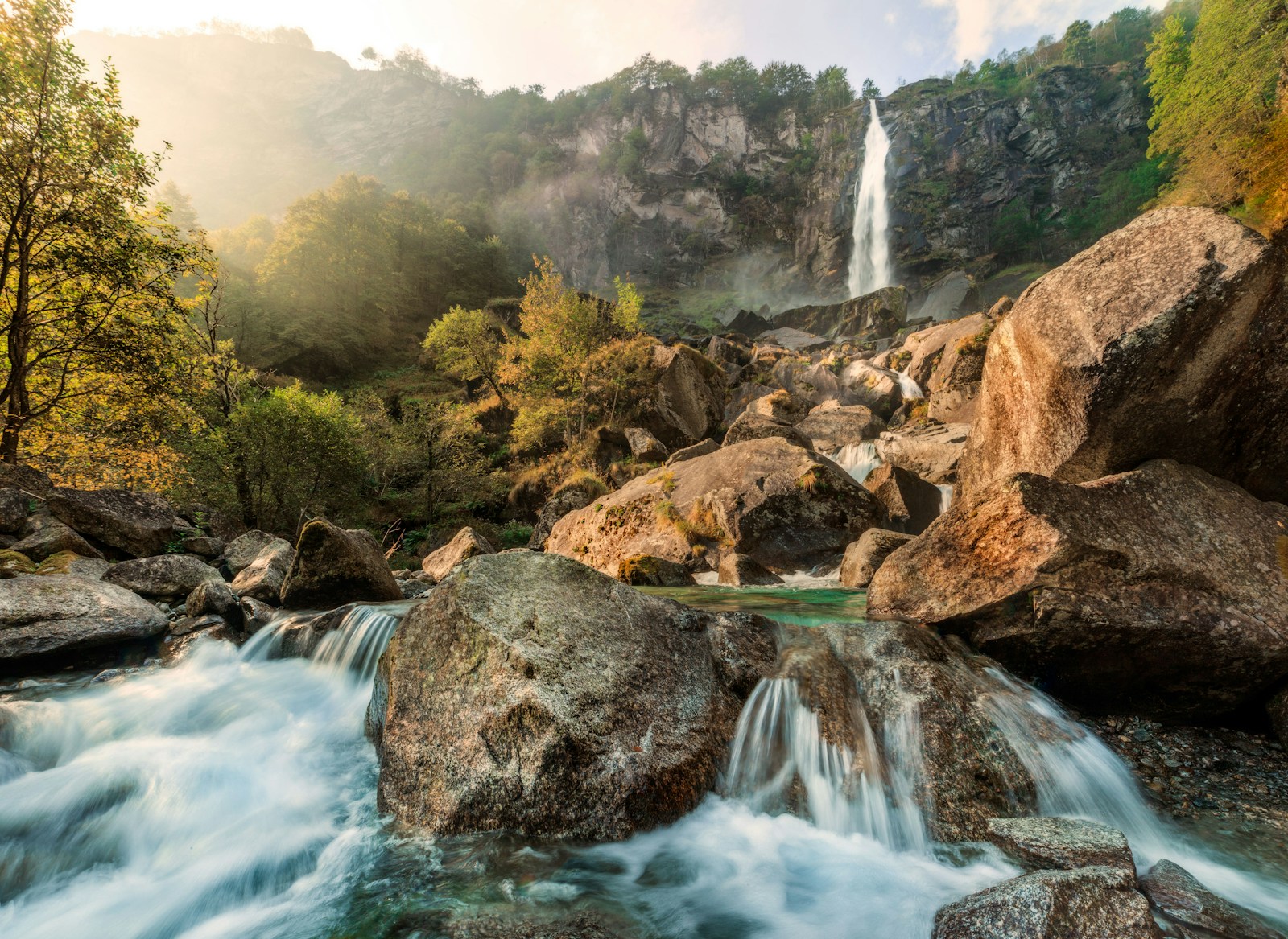
Some waterfalls roar from roadside overlooks. Others whisper from a shaded ravine miles down a forgotten trail. This guide is for the second kind—the tucked-away cascades that reward curiosity and a bit of legwork. You’ll find distances, best seasons, and real-world tips to help you reach them safely, enjoy them respectfully, and bring back stories most park visitors miss.
How to Find and Enjoy Hidden Falls (Without Harming Them)
Waterfall hunting is part timing, part navigation, and part restraint. Flows surge after snowmelt and rain, then wane as summer wears on. Many of the best “secret” spots hold their magic because people stay on trail, pack out trash, and resist clambering onto slick, fragile banks. Check park websites for trail closures, road access, and permits. In the Southwest, scan flash-flood forecasts. In bear country, carry spray and make noise. Good footwear, a light rain shell, and trekking poles make rough, wet terrain far safer. Start early to beat storms and crowds, and tell someone your route. If a creek crossing looks sketchy, it is. Turn around and live to explore another day.
15 Lesser-Known Waterfalls Worth the Hike
Chilnualna Falls — Yosemite National Park, California
When most visitors pack into Yosemite Valley, head south to Wawona. Chilnualna is a multi-tiered staircase of water tucked above town, reached by a steep, granite-studded path. Expect roughly 8 miles round-trip and about 2,300–2,400 feet of elevation gain. Spring and early summer bring the best flow; by late season it can shrink but still charms with polished pools and sweeping views. Trail starts near Wawona’s residential area—follow signs, and give yourself time. Granite slabs can be slick; sturdy shoes and patience pay dividends on the descent.
Waterwheel Falls — Yosemite National Park, California
Far from the Valley’s crowds, the Tuolumne River rockets over sculpted bedrock and shoots arcs of spray skyward—the “waterwheels.” It’s a big day: typically 16–18 miles round-trip from Tuolumne Meadows via Glen Aulin, with significant descent (and return climb). Late spring through early summer is prime, when snowmelt powers the hydraulics. You’ll pass cascades, pools, and whitewater the whole way. Start early, bring a filter, and watch for afternoon thunderstorms. The rock is wet, loud, and mesmerizing—give the river a wide berth.
Marble Falls — Sequoia National Park, California
From Potwisha Campground in the Foothills, a narrow trail threads oak woodland and granite outcrops to a punchy waterfall in a slotlike gorge. It’s about 7 miles round-trip with 1,500 feet of gain. March–May delivers lush hillsides, wildflowers, and reliable flow; summer brings heat and rattlesnakes, so go early or skip hot days altogether. Poison oak grows thick along the lower trail—long pants help. There are several scramble paths near the falls; stick to obvious use areas and mind the slick, algae-glazed rock.
Kings Creek Falls — Lassen Volcanic National Park, California
A classic mountain cascade tucks into a tuff-lined canyon in Lassen’s high country. The hike is short (2–3 miles round-trip) with modest elevation, but sections can be rocky and the park sometimes designates one-way segments to protect delicate terrain. Peak flow comes with early summer snowmelt; the road typically opens late spring to early summer. You’ll pass meadows, stair-step cascades, and the final fan of water plunging into a chasm. Check for seasonal trail advisories and respect closures—they preserve a fragile ribbon of creekside habitat.
Plaikni Falls — Crater Lake National Park, Oregon
A gentle forest path leads to a spring-fed waterfall that feels worlds away from the crater rim crowds. The trail is roughly 2 miles round-trip with minimal elevation gain. Because it’s spring-fed, Plaikni often flows well into late summer—even when other area falls thin out. Access depends on Crater Lake’s road openings; the spur typically opens once snow melts on the park’s east side. Look for wildflowers and butterflies along the way, and be bear-aware around berry patches in late season.
Spray Falls — Mount Rainier National Park, Washington
Just below the talus and wildflower meadows of Spray Park, a spur path dives to the base of a powerful, feathering drop off Rainier’s flanks. Expect 4–5 miles round-trip from Mowich Lake with roughly 900–1,200 feet of gain. The road to Mowich is gravel and usually opens mid to late summer. Peak bloom and long days make July–August a sweet spot, though snow can linger on shaded stretches. The spur to the falls is steep and rooty—hands-free walking helps, and waterproof layers fend off the mist.
Mineral Creek Falls — Olympic National Park, Washington
A rainforest gem hides a few miles up the Hoh River Trail: Mineral Creek pours over mossy bedrock beside the main path. Plan around 7 miles round-trip, almost entirely gentle, with cathedral-sized Sitka spruce and maples the whole way. This is a good all-weather hike, with flow most of the year. Expect slick boardwalks and mud; waterproof boots keep spirits high. Elk sometimes browse the trail near dawn and dusk—give them space and keep a steady, respectful distance.
Trillium Falls — Redwood National and State Parks, California
A short loop outside Orick winds through second-growth forest reclaiming itself, then slips into old-growth redwood shade near a photogenic stone ledge. The loop runs about 2.8 miles with light ups and downs. Winter and spring rains fatten the flow; summer fog turns the grove into softbox light for photos. Start from Elk Meadow Day Use Area and watch for Roosevelt elk—give them plenty of room. The falls are small, but the setting is pure redwood magic.
Apikuni Falls — Glacier National Park, Montana
In Many Glacier, a brisk climb delivers big payoff: Apikuni thunders down a stair-step cliff into a bed of wildflowers. The out-and-back is about 2 miles with roughly 700 feet of gain—short, but it punches. Early summer brings roaring water and beargrass blooms; by late summer, expect a leaner ribbon. Afternoon storms build quickly here—be off exposed slopes early. Carry bear spray, make noise, and keep a clean pack; grizzly and black bears frequent the valley.
Ouzel Falls — Rocky Mountain National Park, Colorado
Wild Basin hums with creeks and cascades, and Ouzel is its crown: a narrow torrent plunging into a bowl of spray. The route is about 5–5.5 miles round-trip with a moderate grade, linking Copeland Falls and Calypso Cascades along the way. Go early in the day to dodge summer thunderstorms. Snowmelt season (June–July) brings the best flow; late fall offers quieter trails and golden aspens. Bridges can be icy in shoulder seasons; microspikes pay off when temperatures dip.
Ribbon Falls — Grand Canyon National Park, Arizona
A mossy, hidden grotto pours from the Redwall into a fern-curtained amphitheater, a true oasis in the Canyon’s inner depths. Access it as a side trip from the North Kaibab Trail: from Cottonwood Campground it’s a manageable detour; from Phantom Ranch it’s a half-day outing; from the North Rim trailhead it becomes a very long day. Spring and fall are best, with cooler temperatures. Check current bridge status and trail conditions, carry plenty of water, and respect the delicate vegetation that makes this place feel like a secret.
Deer Creek Falls — Grand Canyon National Park, Arizona
One of the Colorado River’s most dramatic side-canyon drops, Deer Creek erupts from a narrow gorge straight into a beach-side pool. Most visitors see it as part of a river trip—rafting permits required—though strong, prepared backpackers tackle a demanding loop via Deer Creek and Thunder River from the North Rim. Flow is fairly reliable. Heat, exposure, and complex terrain make this one for experienced parties. If you do reach it, keep a safe distance from cliff edges and respect cultural sites nearby.
Cattail Falls — Big Bend National Park, Texas
Tucked in a shaded cleft of the Chisos, Cattail runs after winter and spring rains, building a lush micro-oasis against volcanic walls. The official trail is generally about 3 miles round-trip across desert flats to the mouth of the canyon, then a short, rocky approach to the falls. Stay on the signed path—this is a sensitive habitat that’s seen damage from off-trail travel. Check for temporary closures, bring extra water, and go early to beat the heat. After storms, watch for muddy sections and biting insects.
Bridal Wreath Falls — Saguaro National Park (East), Arizona
When rain blesses the Rincons, this seasonal waterfall comes alive, slipping over basalt into a series of pools. From the Douglas Spring Trailhead, expect roughly 5–6 miles round-trip with around 1,000 feet of gain. Winter and post-monsoon days are your best bet for steady flow. Desert trails here are rocky and sunbaked, with cactus right at the margins—closed-toe shoes and long steps, not wide ones, save you from spines. Don’t enter pools with soap or sunscreen slicks; the desert’s aquatic life is vulnerable.
Overall Run Falls — Shenandoah National Park, Virginia
Shenandoah’s tallest waterfall drops in a freefall that’s spectacular after rain and subtly beautiful in lower flows. The classic circuit links Overall Run and Beecher Ridge for about 6–7 miles and 1,500 feet of climbing. Spring offers strong flow and wildflowers; summer often means a delicate ribbon or even a dry fall, but the canyon still rewards. Expect rocky footing under oak and mountain laurel, and keep an eye out for timber rattlesnakes warming on the trail. The viewpoint is airy—watch your footing near the edge.
Before You Go: Quick, Practical Tips
- Timing and water: Western waterfalls lean on snowmelt; spring rules. Desert and low-elevation falls pop after storms. If you want flow, watch snowpack and recent rainfall.
- Weather windows: Mountain storms routinely build after lunch. Start early, turn around if thunder echoes, and never wait out lightning under a lone tree or cliff edge.
- Footing and crossings: Wet rock is slicker than it looks. Test each step, especially on algae-coated granite. If a creek crossing rises above your knee or pushes hard, don’t force it.
- Navigation and access: Many of these trails are straightforward, but seasonal road closures and washed-out bridges are common. Check the park’s current conditions page before committing.
- Gear that earns its keep: Grippy trail shoes or light hikers, trekking poles, a packable rain shell, 2–3 liters of water (more in desert heat), salt-forward snacks, map or offline GPS, and a small first-aid kit. In bear country, add bear spray; in monsoon country, add a healthy respect for storm forecasts.
- Photo etiquette: Step off the main line only where it’s already durable—exposed rock, not spongy soil. A polarizing filter cuts glare and deepens greens; a lightweight tripod helps if you want silky water, but keep it out of foot traffic.
A note on impact: Hidden doesn’t mean fragile by default, but many of these places are small, living systems—moss gardens, fern walls, and seeps that can be crushed by one misplaced boot. Stay on rock where possible, keep hands off delicate mats, and pack out every wrapper and scrap. The quieter and cleaner we are, the more these waterfalls will feel like discoveries for the next set of wanderers.
Leave a Reply